What is a stale share?
What a stale share is, why a small percentage is normal on every pool, and the connection and region checks that bring the number down.
A share that arrived too late
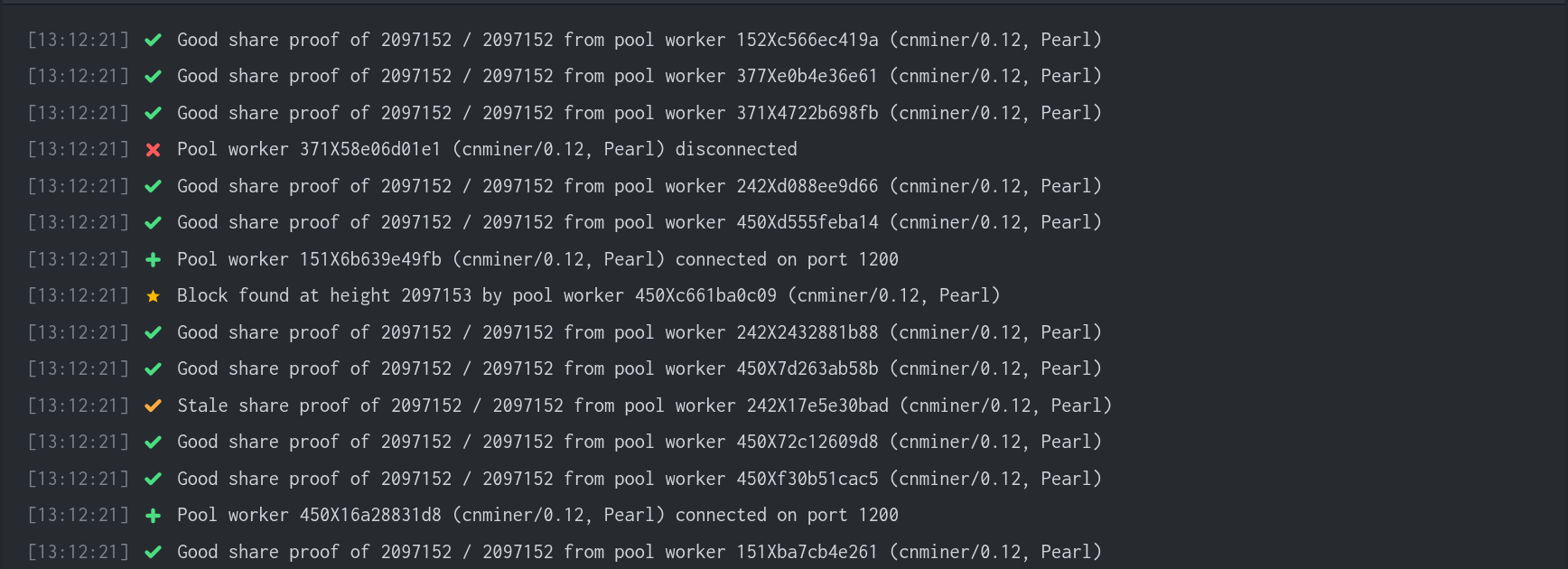
When the pool finds or receives a new block, it sends your miner fresh work. A stale share is a result your rig submits for the previous work after that work is already out of date. It was valid effort, but it came in after the job changed, so it cannot be counted toward a block.
What causes stale shares
The main cause is latency: the longer the round trip between your rig and the pool, the more of your work is still in flight when the job changes. Connection drops and an unstable overclock that makes the miner stutter add more. A few stale shares are normal; a rising rate is a signal.
How to keep them low
Pick the closest server region so new jobs reach you sooner and your results get back faster. Keep your connection stable, and back off an aggressive overclock or undervolt if your stale count climbs. Prefer a wired link over Wi-Fi: for staleness the jitter matters more than the raw speed.
Why a few is fine
No connection is instant, so a small, steady trickle of stale shares is unavoidable and harmless. It only matters when the rate keeps rising and starts pulling your effective hashrate noticeably below your card's real speed. That is your cue to check region, connection and tuning.